
Symmetry
When we fold a paper in such a
way that the picture is divided into two equal halves then the line which
divides the picture into two halves is called a Line of Symmetry.
Bilateral symmetry
If a figure is divided into two
halves by only one line and these halves overlap each other completely, then
the figure is said to have bilateral symmetry.
Following figure shows bilateral symmetry.
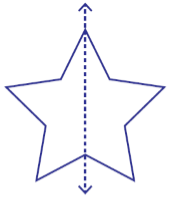
Here the line divides the star into two halves so it is the line of symmetry. It is also called the Mirror Line because if we place the mirror on that line then one side of the picture will fall exactly on the other side of the picture.
Non-symmetrical Figure
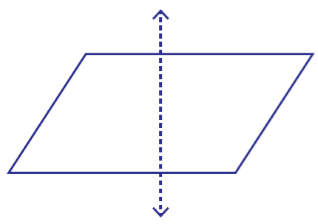
This figure is not symmetrical
as if we fold the image from the dotted line then it does not divide it into
two equal halves.
Making Symmetric Figures:
Ink-blot Devils
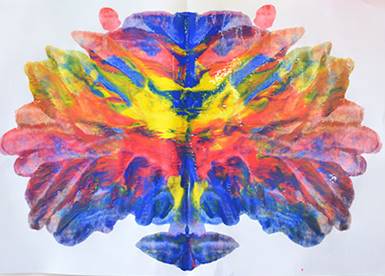
To make an ink-blot pattern-
Take a piece of paper and fold
it in half.
Put some drops of ink on one
side of the paper.
Then press the halves together.
It will make a symmetric pattern with the fold as the line of symmetry.

Inked-string pattern
To make an inked string pattern:
Take a piece of paper and fold
it in half.
Dip a string in different
colours and arrange it on the one side of the paper.
Press the two halves together
and pull the string.
It will make a symmetric inked string pattern with the fold as the line of symmetry.
Two Lines of Symmetry
Some figures have two lines of
symmetry.
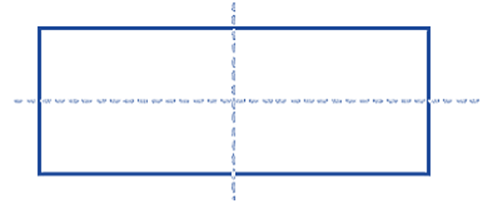
1. A Rectangle
Take a rectangular sheet and fold it horizontally in two equal halves and then again fold it vertically in two equal halves. After opening it, we get two lines of symmetry of the rectangular sheet.
2. More Figures with two Line of
Symmetry
If we take a rectangular piece of paper and double fold it to make two lines of symmetry and cut it in some new shape then after opening it we will get a new image that too with the two lines of symmetry.
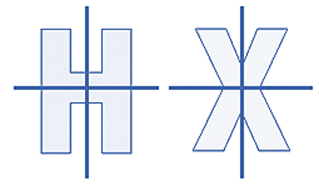
Construction of figure with two Lines
of Symmetry
1. To draw a figure with two lines of symmetry, take one figure.

2. Let L and M be the two lines of symmetry.
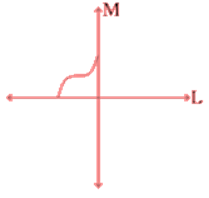
3. Draw the figure in such a way that L is the line of symmetry,
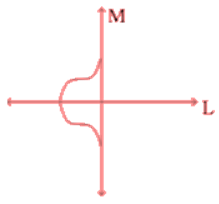
4. Now complete the figure by drawing the remaining part so that M will also become the line of symmetry.
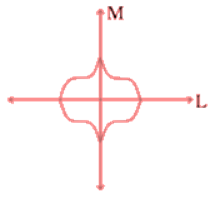
Hence this is the final figure
with two lines of symmetry.
Multiple Lines of Symmetry
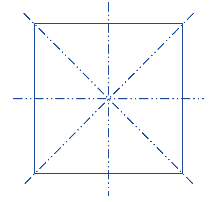
Take a square sheet of paper
and fold it in two halves vertically and again horizontally .open it and fold
it in two equal halves diagonally then again open it and fold it along another
diagonal.
When we open the paper, we will see four imaginary lines and these lines are the lines of symmetry.
Some more images with more than two lines of symmetry
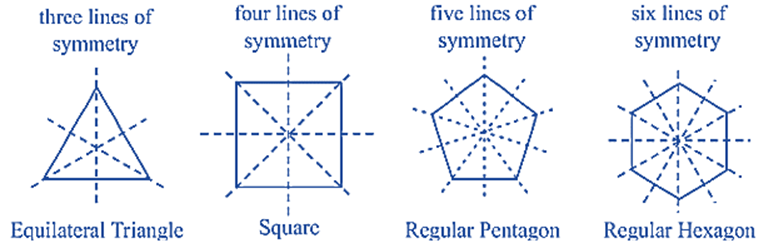
Equilateral triangle will have
three lines of symmetry.
Square will have four lines of
symmetry.
Regular pentagon will have five
lines of symmetry.
Regular hexagon will have six
lines of symmetry.
|
S.NO |
Type |
Example |
|
1 |
No line of symmetry |
Scalene triangle |
|
2 |
1 line of symmetry |
Isosceles triangle |
|
3 |
2 lines of symmetry |
Rectangle |
|
4 |
3 lines of symmetry |
Equilateral triangle |
Some Real-life Examples of Symmetry
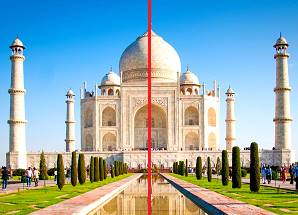
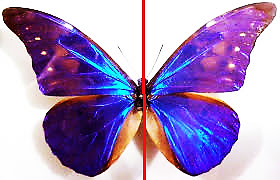
In Taj Mahal and the butterfly
there is one line of symmetry and there are so many other things also in our
daily life which are having one or more line of symmetry.
Reflection and Symmetry
The line of symmetry is also called Mirror Line because the mirror image of an object is symmetrical to the image. When we see an object in the mirror then there is no change in the length and angles of the object except one thing i.e., the image is opposite to the original image.
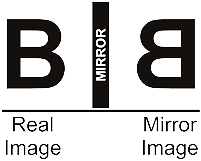
Some Examples of Reflection
Symmetry
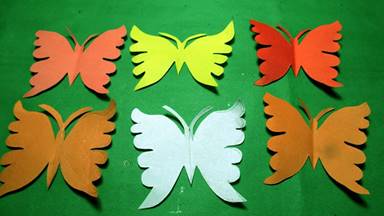
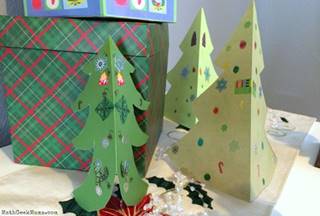
1. Paper Decoration
We can use a rectangular sheet to fold and create some intricate patterns by cutting paper.
2. Kaleidoscope
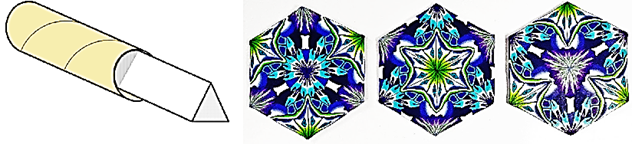
In Kaleidoscope, mirrors are used to create pictures having various lines of symmetry. Two mirrors strips forming a V-shape are used. The angle between the mirrors determines the number of lines of symmetry.
Reflection symmetry in alphabets
In the alphabet reflection symmetry, the alphabets look opposite in the mirror i.e., the alphabet written from right to left will appear as written from left to right.
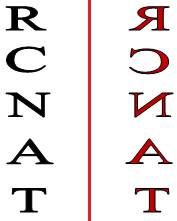
In the figure shown above, R, C and N will not look the same after reflection. However, A and T will look same after reflection symmetry.
Point Symmetry
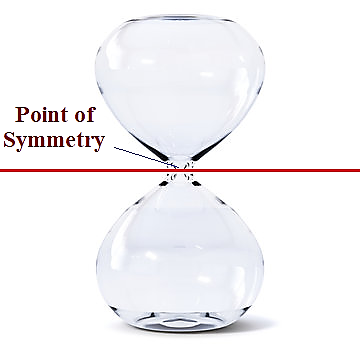
Point symmetry exists when a figure is drawn around a single central point.
It is for figures having a point through which the symmetry can be established. This point is called the centre of symmetry.
For example, the hourglass shows point symmetry.
Online Tuitions and Self-Study Courses for Grade 6 to 12 & JEE / NEET